
Industry
Gas – Remote site

Application
Gas Wellhead Skids

Products
LEAD TIME
4 weeks
Description
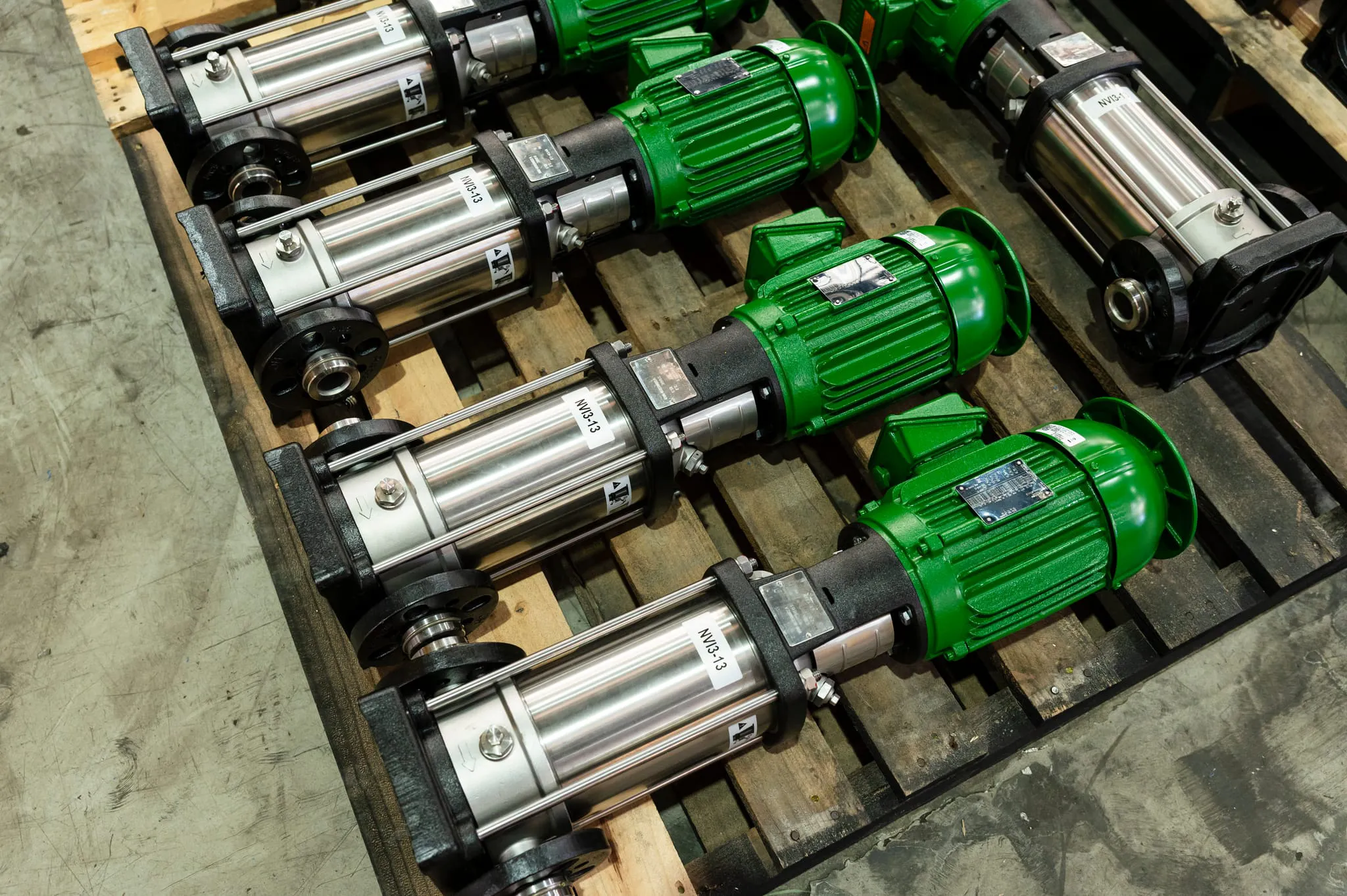
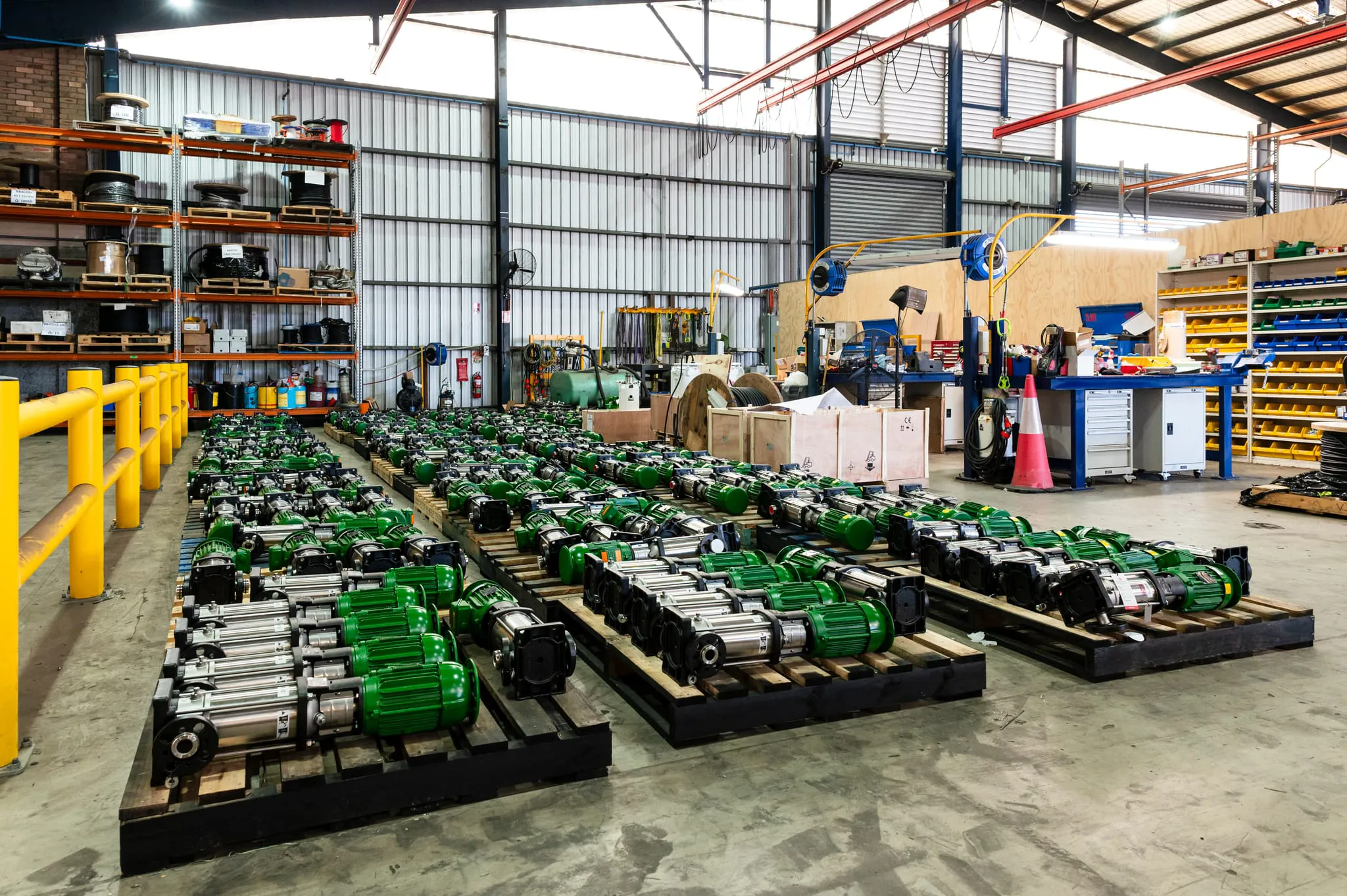
All Pumps supplied 420 Nexus vertical multistage pump sets to a major Australian gas producer, one for each of its gas wellhead skids. Before committing to the full rollout, the client trialled the Nexus pumps in the field for two years. The pumps ran continuously and were never touched. All Pumps then delivered the full order within four weeks. We handled every step in-house: pump selection, motor specification, assembly, factory acceptance and performance testing, tagging, export-grade packaging and delivery to the remote site.
THE CHALLENGE
- Ultra-reliability in a remote location: The wellheads are in a remote area, where every maintenance visit is costly and slow to arrange. The pumps had to run continuously, with minimal or no intervention.
- Proving it before the rollout: The client needed real-world evidence of reliability before committing to a fleet-wide order.
- Scale: 420 identical pump sets, each built and tested to the same standard.
- Tight timeframe: Delivery was required within four weeks to meet the project schedule.
- Hazardous area: The motors had to be certified for the classified wellhead environment.
- Stringent testing: Every unit needed factory acceptance testing (FAT) and performance testing.
- Quality vs cost: The pump set had to be high quality and reliable, at a cost that worked across a large fleet.
- Remote logistics: The equipment had to arrive at a remote site undamaged, with complete documentation.
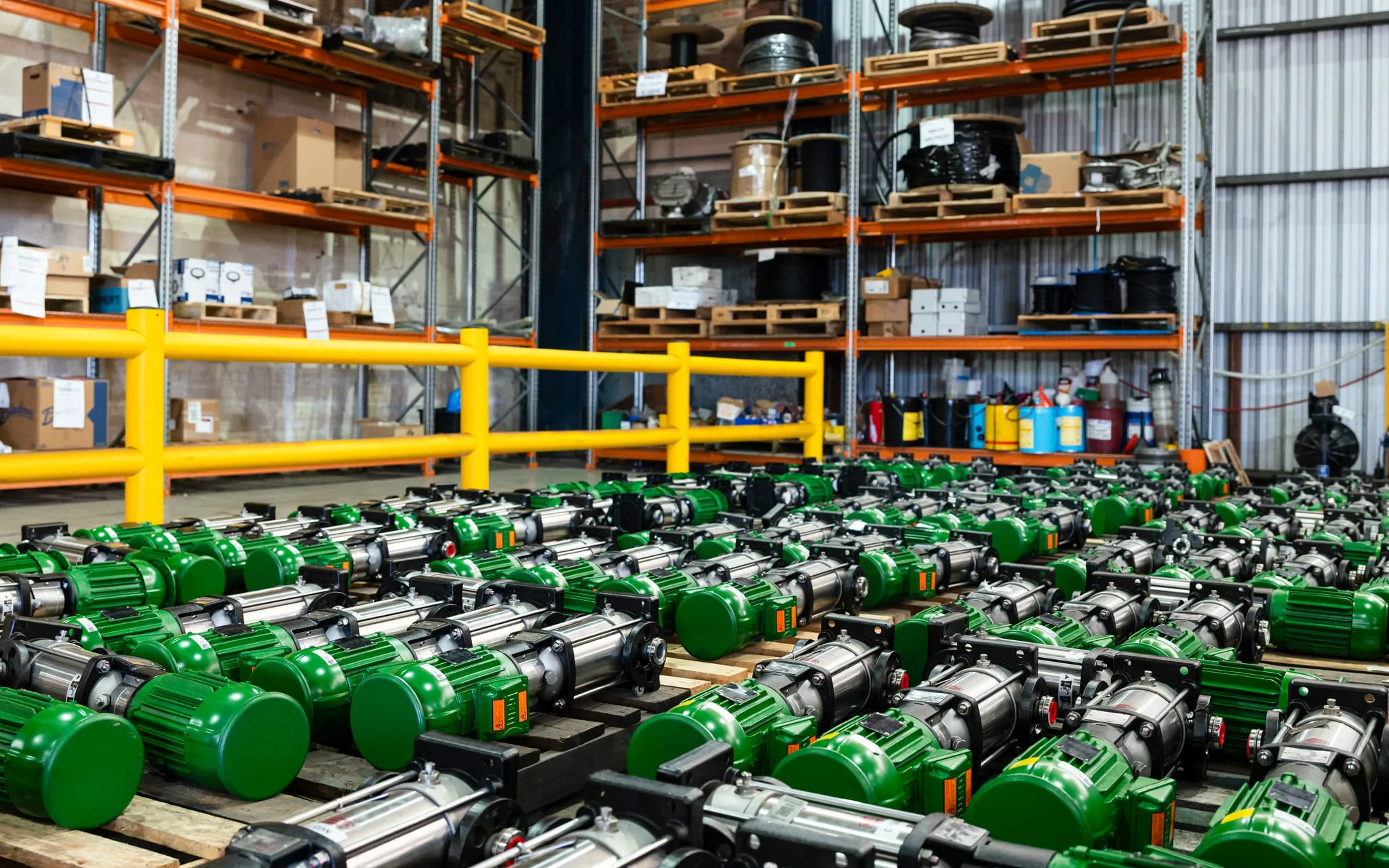
THE SOLUTION
- Two-year field trial: The client trialled the Nexus pump sets for two years. They ran continuously and were never touched, which proved their reliability before the full order was placed.
- Design and selection: All Pumps engineers selected the correctly sized Nexus vertical multistage pump for the skid duty, balancing efficiency, reliability and cost.
- Hazardous-rated motors: Each pump set was specified with a WEG hazardous-area motor.
- In-house assembly: Pump and motor assembly and mechanical seal fitting were done in the All Pumps workshop, giving us full control over quality and schedule.
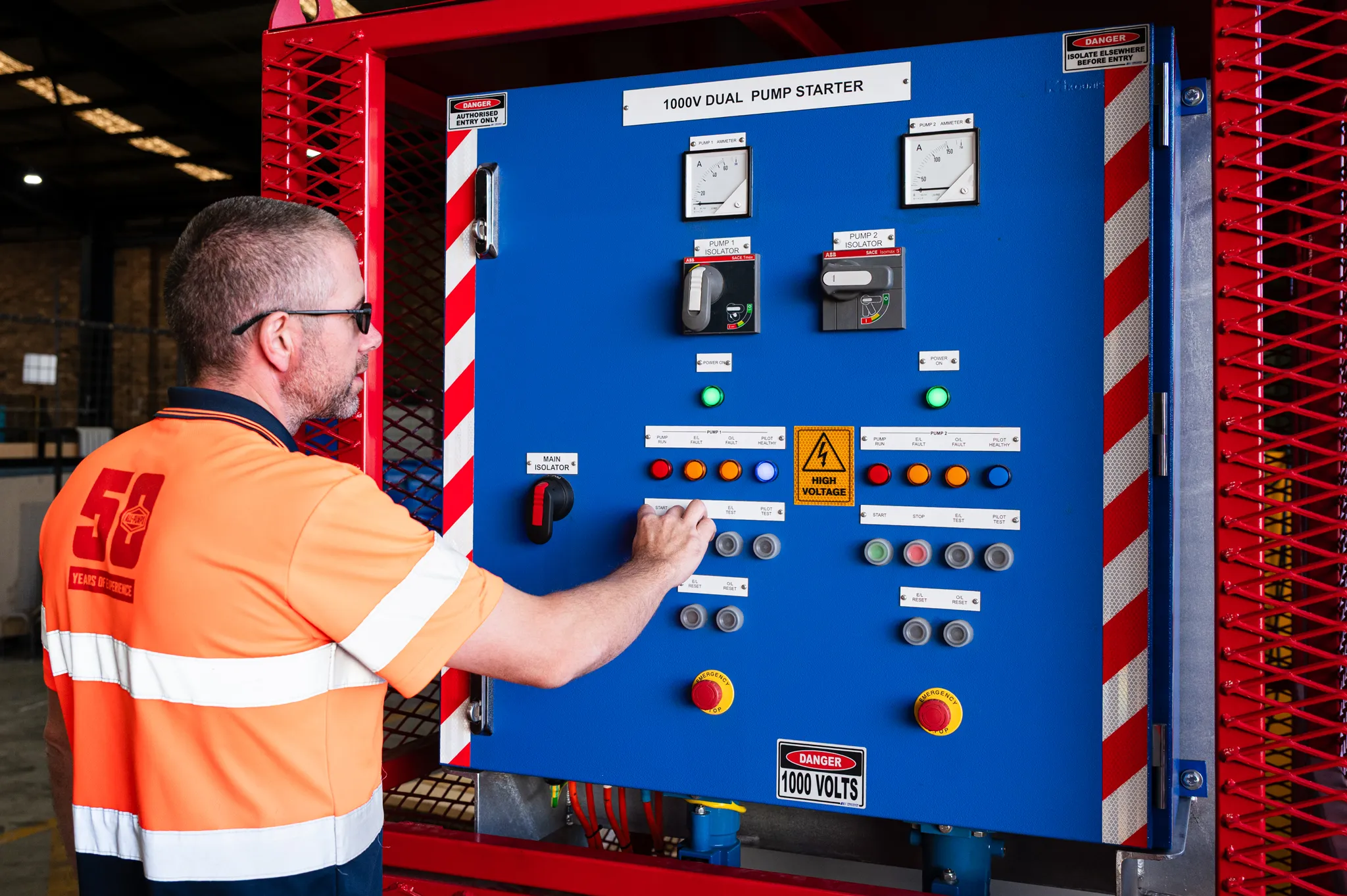
- Testing on every unit: Each pump set passed factory acceptance and performance testing before dispatch. This gave the full fleet the same reliability shown in the trial.
- Nexus pump tag traceability: Every unit carries a Nexus pump tag that links it to its FAT results and records its repair history over its service life.
- Packaging and shipping: All Pumps packed the pump sets in export-suitable crates and managed shipping to the remote site.
- Documentation: A complete documentation package was supplied with the order.
THE RESULTS
The two-year trial ended with zero intervention. All 420 pump sets were then delivered on time and on budget, fully tested, tagged and documented. They were ready to install on the wellhead skids, with no delays to the project schedule.
How All-Pumps Differentiates
- Field-proven reliability: The pumps ran for two years, continuously and untouched, in a remote gas field.
- One point of responsibility: One team manages selection, motor specification, assembly, testing, packaging, logistics and documentation.
- In-house capability at scale: Our workshop can assemble and test large volumes quickly without compromising quality.
- Testing that backs it up: Every unit goes through FAT and performance testing, so each pump in the fleet matches the trial.
- Lifetime traceability: The Nexus pump tag links each pump to its test records and repair history.
- Hazardous-area expertise: We select the right motor and certification for oil and gas environments.
Remote-site delivery: Export-grade packaging and logistics get equipment to remote sites intact. - Speed with certainty: We meet tight lead times, on budget, with full documentation.
FAQ
Why consider a vertical multistage pump for an industrial skid?
Vertical multistage pumps use a series of pumping stages to develop pressure within a relatively compact footprint. They can suit liquid transfer and pressure-boosting duties where installation space is limited. Selection still depends on the liquid, required flow and pressure, suction conditions and operating environment.
Why are field trials useful?
Trials allow clients to assess the pumps under actual site conditions before committing to a large rollout.
For a remote installations, this provides practical operating experience to support the selection decision alongside technical specifications and factory testing.
Why use WEG hazardous-area motors?
In this instance, the wellhead environment requires motors suitable for the site’s hazardous-area classification. Motor selection must consider the relevant certification, protection type, gas group, temperature class and operating conditions. A hazardous-area motor must be matched to the application rather than selected on power rating alone.
What does factory acceptance testing confirm?
How do All-Pumps manage large pump orders?
All-Pumps are equipped to coordinate selection, motor specification, workshop assembly, testing, identification, packaging and delivery documentation. Managing these activities together helps maintain a consistent supply process across the order and support the required project schedule.
Can All-Pumps support pumps after delivery?
Yes. All-Pumps can assist with ongoing maintenance, repairs and replacement planning. For remote installations, discussing servicing requirements and critical spare parts early helps establish a practical support plan. Installation, commissioning and site support should be agreed as part of the project scope.
TALK TO THE EXPERTS
Are you facing a similar challenge? We’re here when you are under the pump. Contact our team of experts to discuss your pump project.