
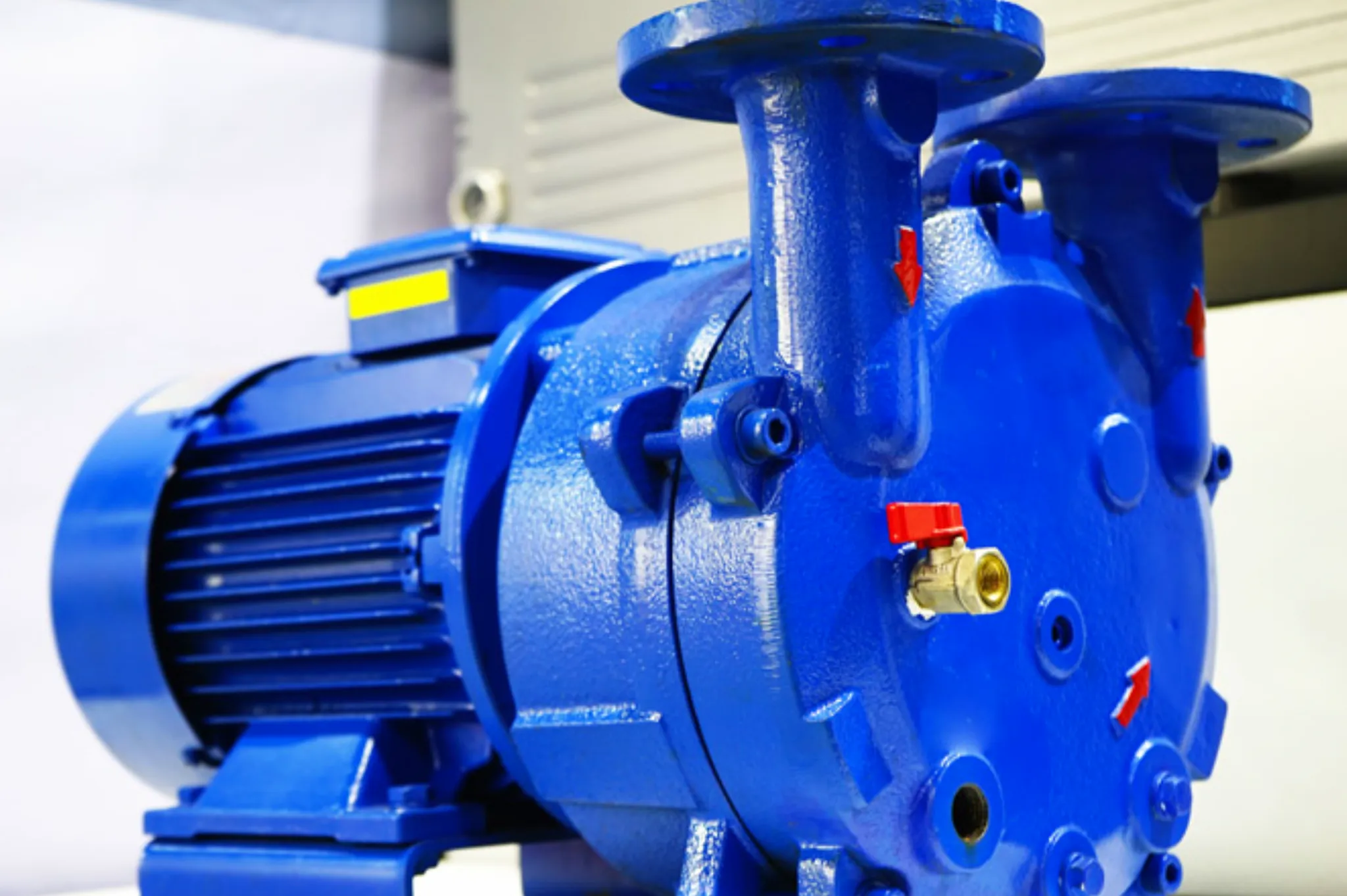
WSP™ PUMPS IN A NUTSHELL
WSP™ pumps from Trillium Flow Technologies are designed for demanding solids-handling applications, with a strong focus on serviceability. All-Pumps offers a range of models in Self-Primer Pumps and Chop-Flow Pumps, giving customers different ways to manage challenging fluids.
Here’s what matters for your operation:
- Match the pump to the material. Passing solids and chopping fibrous material are different requirements. Selection starts with understanding what is actually entering your system.
- Think beyond purchase price. Energy, blockages, maintenance access, spare parts and production interruptions all contribute to the cost of ownership.
- Plan for maintenance from day one. A pump that is accessible and straightforward to service can make a meaningful difference when attention is needed.
- Keep the whole system in view. Pipework, suction conditions, installation and operating practices influence how successfully the pump performs.
- Have one team to call. All-Pumps supports customers from planning and selection through installation, commissioning and ongoing maintenance.
Whether you are developing a new system or dealing with a pump that keeps blocking, the starting point is the same: understand the application, then build the solution around it.
practical engineering for challenging pumping duties
A blocked pump rarely affects just the maintenance team. It can interrupt production, slow drainage and pull people away from other work.
WSP is a Trillium Flow Technologies pump brand focused on handling difficult fluids while making maintenance more manageable. Its applications include waste management, food and beverage processing, and material processing.
For customers, that brings the conversation back to practical questions. Can the pump handle the incoming material? How easily can wear be addressed? What support is available when operating conditions change?
At All-Pumps, we connect those questions with the equipment and support needed throughout its working life.
Understanding the WSP range
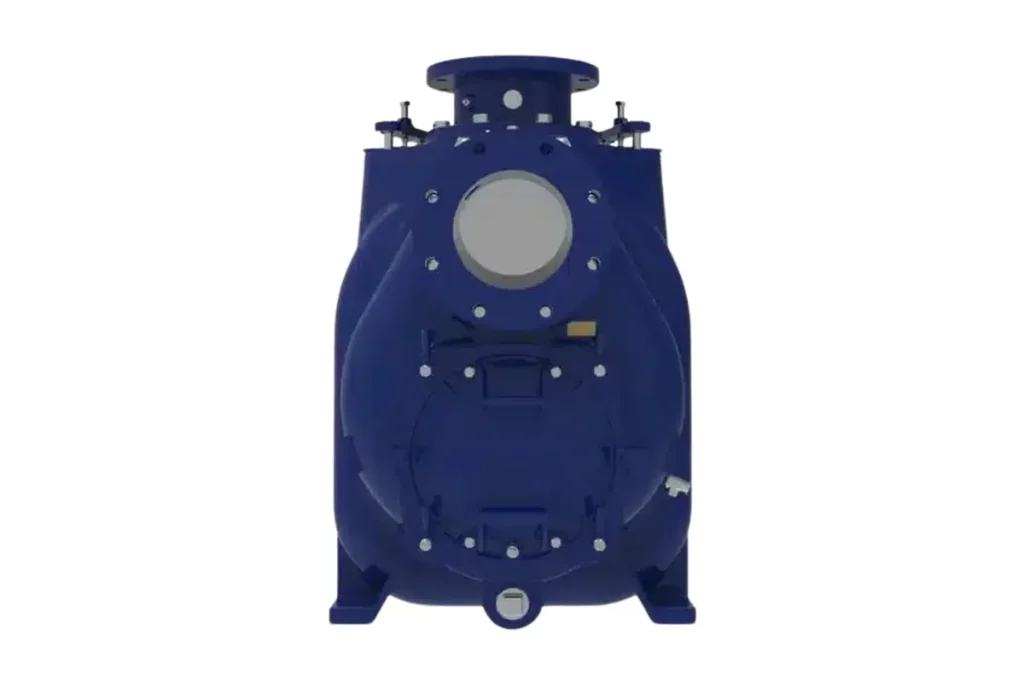
WSP Self-Primer Pumps
WSP Self-Primer pumps are designed to move liquids containing solids. Their maintenance features include impeller clearance adjustment without shims or tools, and straightforward access for suction flap valve replacement.
On applicable models, the Buzzsaw™ wear plate helps shear stringy material and reduce partial clogging. This feature is not available on high-head models, so it is important to check the configuration being selected.
The range includes standard and high-head options. Higher head capability comes with different performance and solids-handling limits, so choosing a model involves more than matching the pipe diameter.
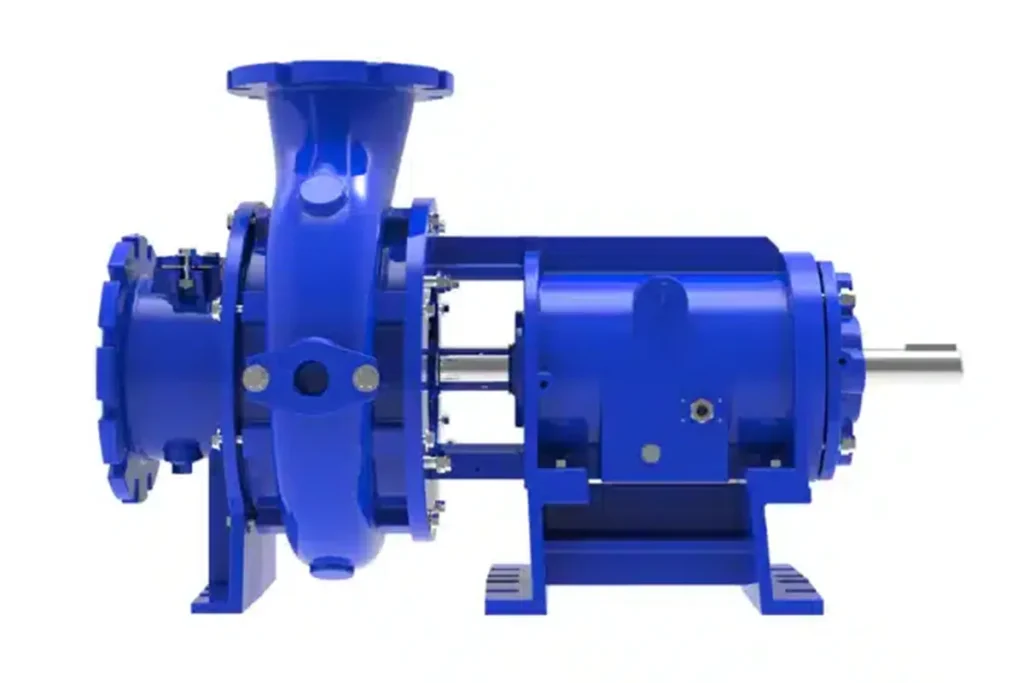
WSP Chop-Flow
Where fibres and troublesome solids need to be broken down as they move through the pump, WSP Chop-Flow provides a different approach.
Its rotating impeller works against a stationary cutter bar to chop material during pumping. Replaceable cutting components and externally adjustable clearances help support ongoing servicing.
Horizontal, vertical and submersible Chop-Flow configurations are available, allowing the installation arrangement to be considered alongside the pumping duty. Applications include wastewater, pulp and paper, food processing, and meat and poultry processing.
From planning to replacement
Discover: understand the job before choosing the pump
What is being pumped? How much needs to move? How far and how high must it travel? What happens if the pump stops?
These questions establish the duty and its importance to the business. For an existing installation, the discussion should also cover recurring blockages, previous repairs and changes in production.
Provide operating records, photographs and the existing pump details if available. They provide a useful starting point for understanding what is working and what needs to improve.
Design: make the pump part of a workable system
Selection needs to account for the liquid, solids, operating conditions and site layout.
It is also the stage to consider how people will maintain the equipment. Access to wear components, space for removal and practical isolation arrangements deserve attention before installation.
All-Pumps’ pump design services support the development of a system suited to the application.
Deliver: install, commission and establish a starting point
Installation and commissioning connect the design with real site conditions.
The aim is to confirm that the equipment operates as intended and establish a useful performance baseline. Recording normal operating behaviour gives maintenance teams something to compare against later.
Through pump project management, All-Pumps supports the journey from project planning through delivery and commissioning.
Assure: maintain performance as the equipment ages
A pump’s working conditions rarely remain identical forever. Production volumes change, different materials enter the waste stream and components wear.
Ongoing support should respond to those changes. That can mean reviewing service intervals, investigating a recurring fault or assessing whether a repair will deliver worthwhile remaining life.
All-Pumps provides pump maintenance and repair services to help customers manage their installed equipment.
Renew: make an informed decision at the end of service life
Eventually, every installation reaches a point where repair, refurbishment or replacement needs to be considered.
A useful review looks beyond the immediate repair bill. Does the pump still suit the duty? Are failures becoming more frequent? Has the process changed? What would another unplanned shutdown mean?
When replacement is appropriate, include safe isolation, removal, handling of residual process material and suitable disposal or recycling arrangements in the project scope.
This is the value of a cradle-to-grave approach: each decision considers what comes next.
FAQ
What are WSP Trillium pumps used for?
WSP pumps are used for challenging liquid transfer duties involving solids and, depending on the model, fibrous material. Typical applications include industrial wastewater, waste management and food processing. Selection depends on the specific liquid and operating conditions.
Who supplies WSP pumps in Australia?
All-Pumps supplies and services WSP pumps and provides local support for selection, product information and ongoing maintenance.
What is the difference between WSP Self-Primer and Chop-Flow pumps?
WSP Self-Primer is a self-priming solids-handling pump.
Chop-Flow uses cutting components to break down suitable material while pumping.
The choice depends on the waste stream, hydraulic duty and installation requirements.
Does a self-priming pump need to be filled before starting?
Yes. Self-priming does not mean starting with an empty pump casing. The required initial liquid charge must be provided according to the model’s instructions. Confirm the filling and start-up procedure before operation.
What does the WSP Buzzsaw wear plate do?
The Buzzsaw wear plate has a toothed profile that helps shear stringy material and reduce clogging. It’s a feature of applicable Self-Primer models, not every WSP pump, and is excluded from high-head versions.
Can WSP pumps handle food processing wastewater?
WSP pumps are used in food processing wastewater applications. Suitability depends on temperature, solids, liquid properties and materials of construction. Wastewater suitability should not be taken as confirmation that a pump meets direct food-contact or hygienic processing requirements. Reach out to our team to discuss in detail so we can help advise the right option to suit your operation.
What information should I provide for pump selection?
Ask for a model-specific plan covering inspections, lubrication requirements, seals, bearings, wear components and clearances where applicable.
It helps to include performance records, responsibilities and spare parts planning so servicing becomes a repeatable process.
Can All-Pumps help with an existing WSP installation?
Yes. All-Pumps offers maintenance and repair support. Provide us with the model, serial number, service history (if available) and a description of the issue so our team can assess the appropriate next steps.
Should I repair or replace an ageing WSP pump?
At All-Pumps we can help you consider the repair cost, expected remaining life, fault history and whether the pump still matches the process.
An assessment can help compare continued operation, refurbishment and replacement, including the consequences of downtime.